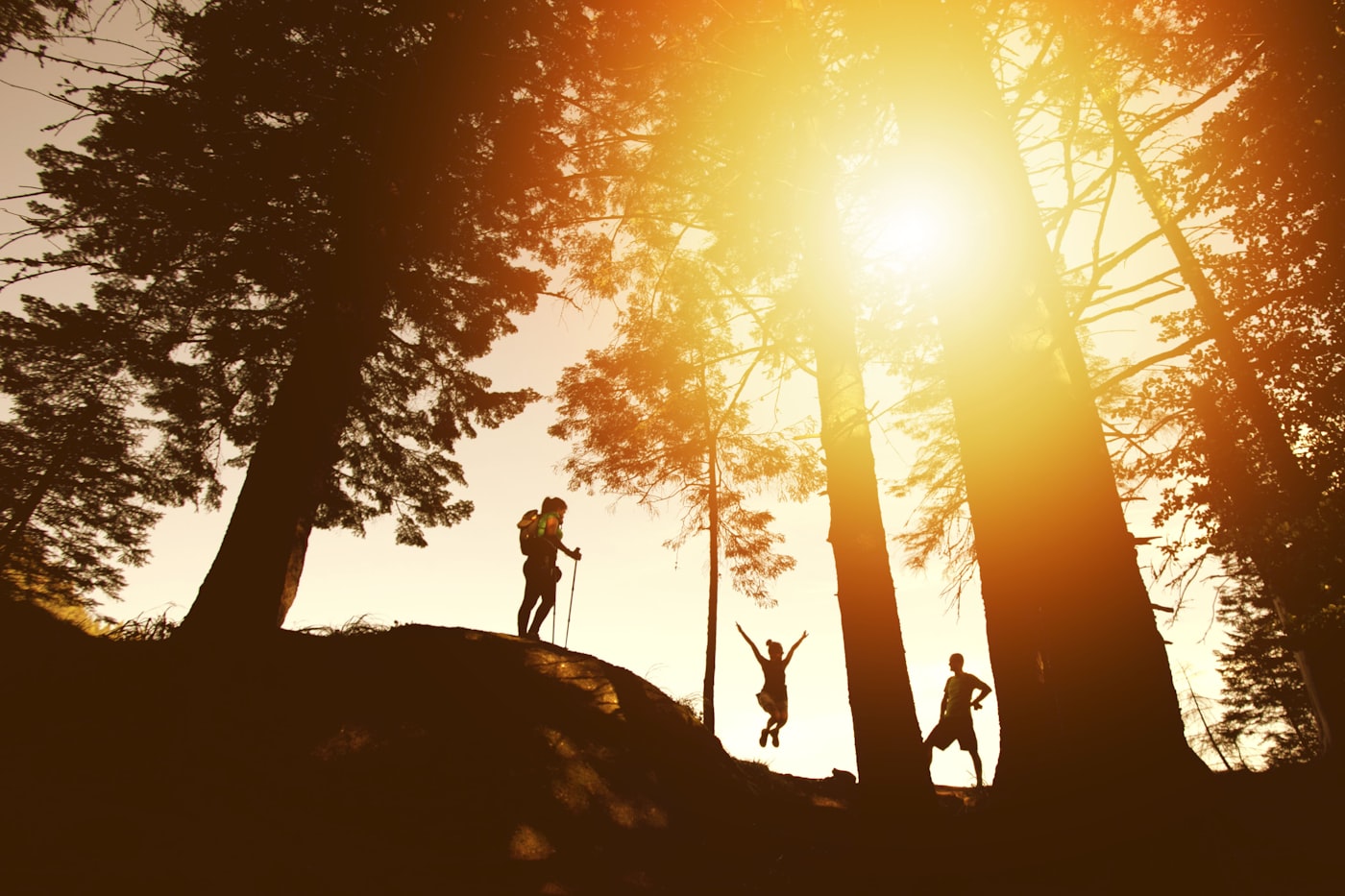
In 2010, I organized a leadership retreat for my technology team. Twenty people, professional guide, three days in Banff. The itinerary looked perfect on paper. The reality was a disaster that cost twelve thousand dollars and almost destroyed team morale.
The guide was technically competent. He knew the trails, had the certifications, followed all safety protocols. But he had zero ability to read a group. Pushed too hard on day one. Ignored obvious signs of exhaustion. Dismissed questions as weakness. By noon on day two, half the participants wanted to quit. By day three, everyone was miserable except the guide, who seemed confused about why nobody appreciated his expertise.
That experience taught me something crucial: outdoor knowledge means nothing without human understanding.

Sage Dusk emerged from fifteen years of fixing what that retreat got wrong. I'm Emma Richardson, former technology executive turned wilderness guide. My co-founder, David Moreau, spent a decade as a park ranger before realizing he was better at teaching people to love wild places than enforcing rules about them.
We built this company around a simple thesis: most outdoor guides are either technically excellent with poor people skills, or socially skilled but lacking deep wilderness knowledge. We hire for the rare individuals who genuinely possess both, then train them extensively in our specific approach.
Our guides aren't performers. They're facilitators. Their job isn't to be the most interesting person on the trail but to create conditions where participants discover their own capabilities.
Most commercial operations run groups of twelve to sixteen because it's more profitable. We've found eight is the threshold where individual attention remains possible and group dynamics stay manageable. It costs us revenue. It creates better experiences.
Every expedition has a planned route. We regularly deviate from it. Weather changes. Wildlife appears. Someone asks a question that deserves exploration. Rigid adherence to schedules creates mediocre experiences that hit all the checkboxes while missing what actually matters.
Wilderness expertise is necessary but insufficient. Our guides are selected primarily for their ability to explain complex concepts clearly, read group energy accurately, and adjust their approach based on individual learning styles. Technical skills can be taught. Genuine pedagogical talent is rare.
Most tours optimize for comfort and photo opportunities. We optimize for the kind of challenges that reveal capability. Participants don't leave with just memories. They leave with confidence that comes from discovering they're more capable than they believed.
Every Sage Dusk guide maintains current Wilderness First Responder certification through designated Canadian training providers. All lead guides hold Leave No Trace Master Educator status and have completed advanced navigation and risk management courses.
We maintain emergency communication equipment on all expeditions, file detailed itineraries with park authorities where required, and carry comprehensive liability insurance. Safety protocols are reviewed and updated quarterly based on incident reports from across the outdoor industry.
Since 2011, we have guided over three thousand participants across more than eight hundred expeditions with zero serious injuries requiring evacuation.
All Sage Dusk expeditions follow Leave No Trace principles as baseline expectation, not aspirational goal. We pack out everything we pack in. We camp on durable surfaces. We maintain significant distance from water sources. We observe wildlife without approaching or feeding.
Beyond individual expedition practices, we contribute three percent of annual revenue to trail maintenance and habitat restoration projects in the territories where we operate. This isn't marketing. It's recognition that our business depends entirely on these landscapes remaining wild.